APOCALYPSESURVIVALIST

Apocalypse Survival: Start With a Plan Your Household Can Use

Apocalypse survival planning starts with four household decisions: where warnings come from, how you reconnect if separated, whether you stay or leave, and which supplies fit that plan. The Red Cross planning pages cover each one.

Apocalypse Survivalist · Sources reviewed

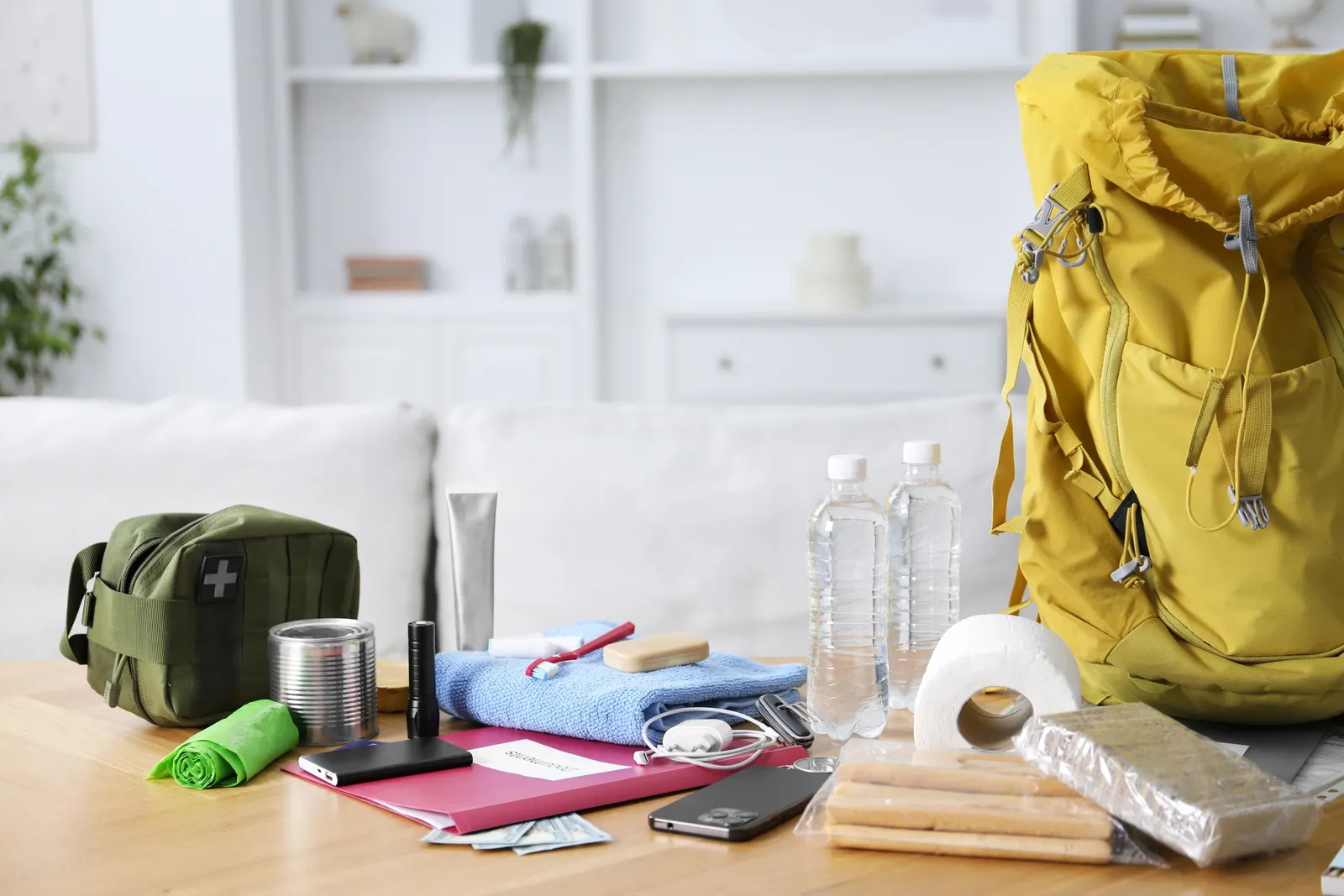
Apocalypse survival supplies arranged on a wooden table
Photo: africaimages / Envato

A plan your household can use.

What is it?

A starting framework for the disruptions that actually reach your street, from a long outage to a local evacuation or a break in essential services. The theme is the prompt; the plan is ordinary.

Who is it for?

A household sorting out responsibilities and supplies before anything happens, including people who need extra support to carry out a step.

How is it used?

Write the decisions below down, talk them through with everyone involved, and rehearse the parts that can be rehearsed safely.

Main limitation

No general checklist decides whether a place is safe or when you should leave. In a real incident, follow the instructions for that incident.

Answer these before shopping.

  1. 01

    Which disruption?

    Start with the hazards likely where you live and what each would interrupt, whether access, power, water or communication.

  2. 02

    Who needs help?

    Plan around the people and animals in the house, including transport and accessibility.

  3. 03

    Who does what?

    Give every task a named person and a backup, so the plan survives one person being away.

Make the theme useful.

Nobody here is planning for the end of the world. Picture an ice storm that takes the power out for four days, or an evacuation order at six in the morning while someone is still in the shower. Apocalypse survival becomes a manageable job the moment you name a situation like that and write down what would get hard for your household.

Pick one and write the plan for it. For another situation, review which decisions still apply and what changes.

Know where the instructions will come from.

The Red Cross guide to being informed starts with local hazards and the channels authorities use to warn you. Find your local emergency management source and learn what its alerts mean.

Keep a card with the source’s name, its web address and the broadcast channel to use if the internet is down. A dramatic post forwarded by an uncle is not the incident’s instruction, however many exclamation marks it has.

Agree how the household finds each other.

The Red Cross planning page asks households to share out responsibilities, pick meeting places and an out-of-area contact, and keep contact details on paper as well as on phones. It offers free templates.

Work through it at the kitchen table, ideally with snacks. Count the hours at school or work, arrange help for anyone who cannot do a step alone, and put the pets in the transport plan.

Prepare for staying and for leaving.

Avoid one rule for everything, like heading for the woods. A tent in the garage does not make a place safe in a disaster. Before everyone votes for the woods, ask where the bathroom is. A useful plan names possible destinations and ways to get there, then follows the instructions for the real hazard.

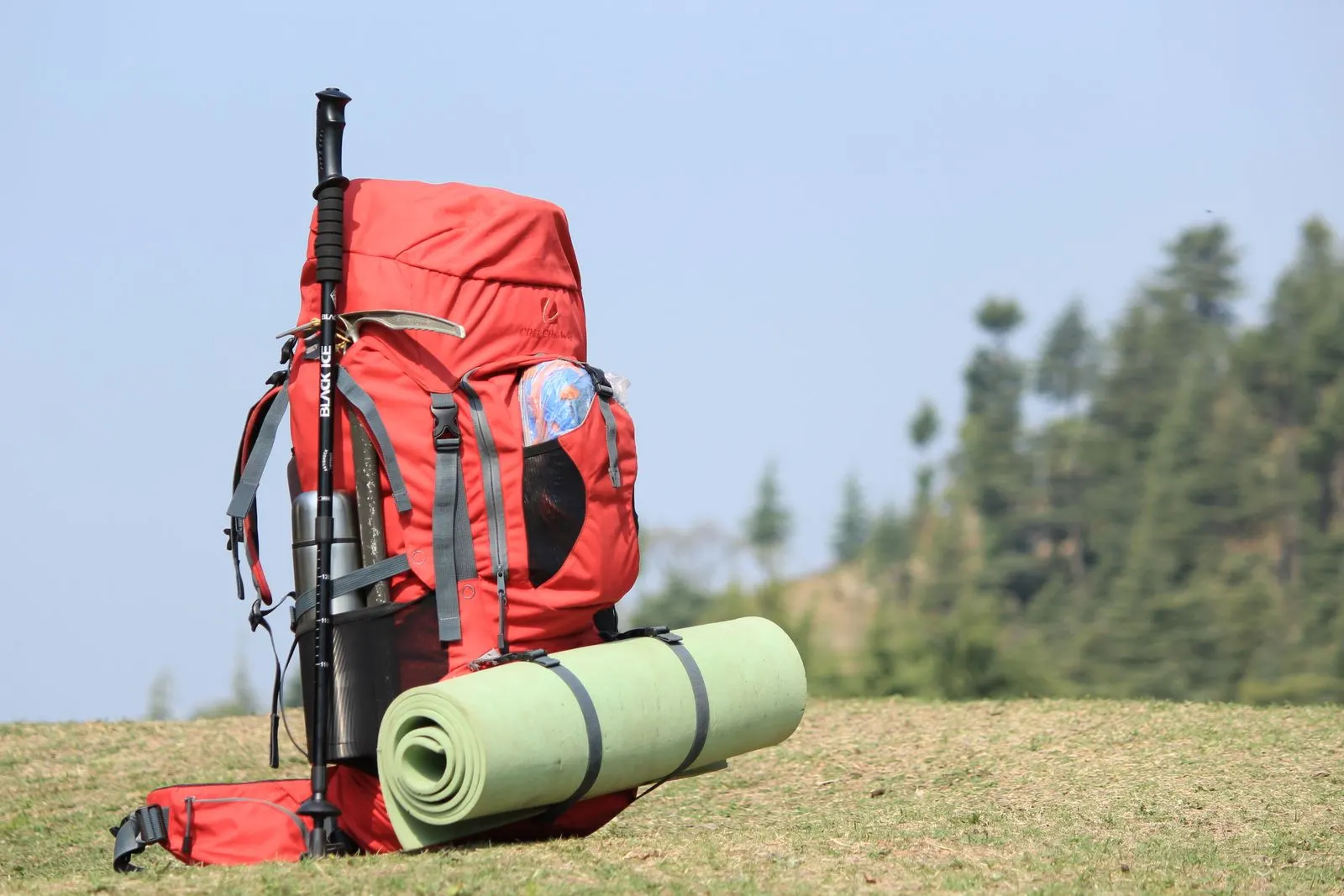
If a bag goes with you, the backpack checklist covers fit and access. Keep the written plan in the bag.

Match the supplies to the plan.

The Red Cross supply checklist covers food, water, light, communication, hygiene and personal needs. Hold it against what you already own. The gear checklist sorts the equipment questions, and illness planning has its own page, the pandemic preparedness guide.

Put the first version on one page.

Use these prompts for your own notes; they do not replace local emergency instructions.

  1. Situation: What disruption are we preparing for?
  2. Information: Which official source will we check?
  3. People: Who needs assistance, and who can provide it?
  4. Contact: How will we reconnect if separated?
  5. Supplies: Where are they, and what is still missing?
  6. Practice: Which step will we rehearse, and what needs revising afterward?

Keep the details in your own records; there is no reason to send them to this site. A short plan everyone understands beats a long one nobody reads. If keeping bees is on the long-term list, start with the beginner beekeeping guide; a hive is a responsibility, not next week’s food supply.
Prepare for staying and for leaving.

If a bag goes with you, the backpack checklist covers fit and access. Keep the written plan in the bag.

Use the backpack checklist ↗
Red hiking backpack with a rolled sleeping mat and trekking pole on grass
Photo: Ravindra rawat / Pexels

Questions before you choose.

Should the plan always be to leave home?

No. The right response depends on the hazard and the official instructions. Plan for both staying somewhere suitable and leaving for a named destination when told to.

Is this the same as a gear list?

No. The plan sets decisions and responsibilities. The gear checklist comes after, once you know the job each item has to do.

Does buying a full kit finish the plan?

No. A bundle does not pick your meeting place, your warning source or your transport, and it does not teach anyone to use what is inside.

Where the information comes from.

Sources checked . This planning guide draws on the documents below.

  1. American Red Cross: Make a Plan ↗

    Household roles, communication, evacuation planning and practice, with free templates.

  2. American Red Cross: Be Informed ↗

    Local hazards, warning channels and what the alerts mean.

  3. American Red Cross: Survival Kit Supplies ↗

    Supply categories and individual needs. Its full checklist sets quantities and contents.

Photos are credited beside each image.

Privacy choices