The flashlight drawer problem.
Every house has a flashlight drawer, and every flashlight in it died sometime around 2019. You find this out just after dinner in January, when the lights go out and for a second the house is very quiet. Then everyone starts looking for something: a candle, a phone, the flashlight that was definitely in the kitchen drawer.
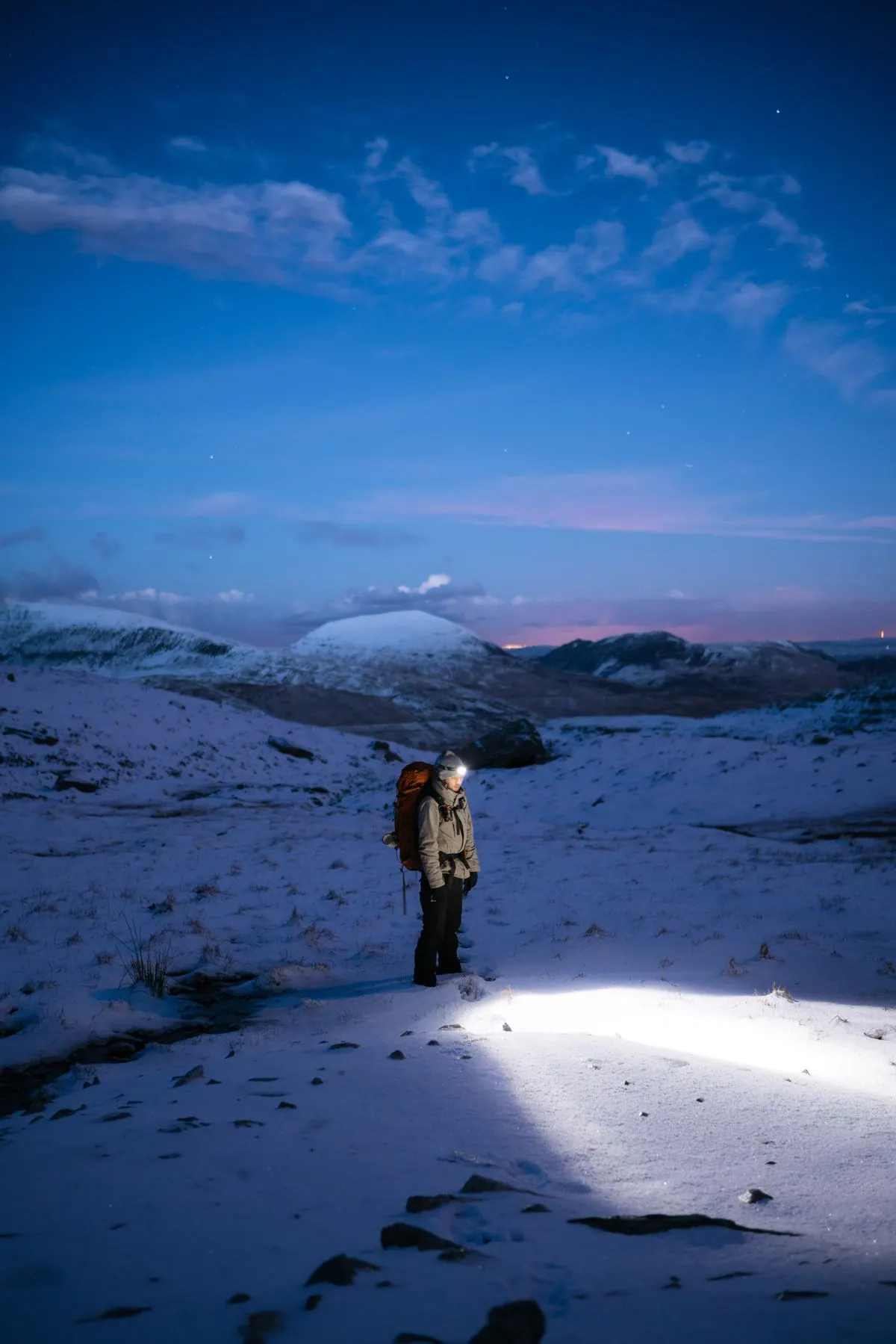
An emergency headlamp ends that search before it starts. It puts light near your line of sight and leaves both hands free for the breaker panel, the stairs, or a kid who wants to know what just happened.
Deliberately boring, on purpose.
The example here is the Black Diamond Spot 400, and the reason is boring in a good way. Black Diamond lists it at up to 400 lumens, and it runs on three AAA batteries, the kind your TV remote probably runs on. They come in the box. The BD 1500 rechargeable battery is sold separately, which is fine. The drawer probably already has AAAs. It just doesn’t have a working flashlight.
If you would rather charge than buy batteries, get the BD 1500 and decide now where it charges. Either way, the spares live next to the lamp, not in the garage behind the paint.
What the runtime number actually counts.
Black Diamond’s runtime figures follow the ANSI definition in its instructions: the clock keeps running until the light falls to a tenth of where it started, and reserve time is listed separately. So at the end of the stated hours the lamp is technically still on. “Still on” is doing a lot of work there.
Read the runtime table for the battery and the mode you will actually leave on. The brightest setting sells the box. It is not necessarily the one you need to read a breaker label.
Teach the whole house the buttons.
Learn the modes, the lock and how the batteries go in from the manual while the lights still work, then show the rest of the house. At 9 p.m. in a dark hallway, the person reaching for it may well be your teenager.
The lock is worth learning. Your bag does not need a reading light, and a lamp that switches itself on inside a bag can drain its batteries before anyone needs it. The manual also says to take the batteries out for storage and transport, so a lamp parked in a drawer for a year sits next to its batteries, not with them inside.
Give it one home.
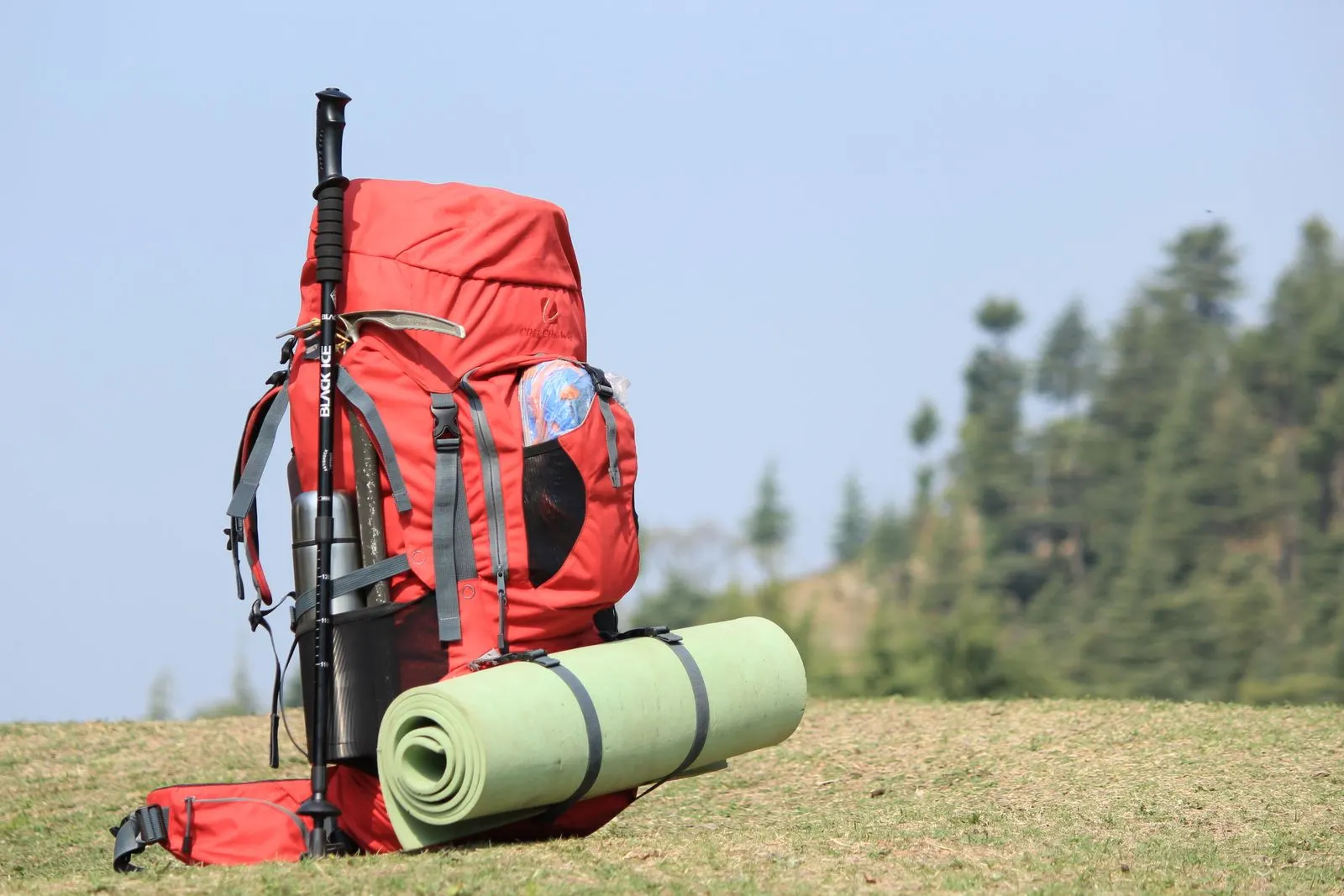
Pick a spot and tell everyone: the hook by the basement door, the drawer nearest the breaker panel. If someone else needs a light they can hand around or point across the yard, the emergency flashlight guide covers that job. If the lamp rides in a pack, the backpack checklist is about reaching it without unpacking.
Then put the spare AAAs right beside it, before someone borrows them for the remote.