APOCALYPSESURVIVALIST

Camping Hatchet: 5 Compact Options and the One Job They Do

A camping hatchet is for kindling and small wood jobs where fires are allowed. Compare these five by construction and matching measurements, because handle length, overall length and cutting-edge length describe different things.

Apocalypse Survivalist · Sources reviewed

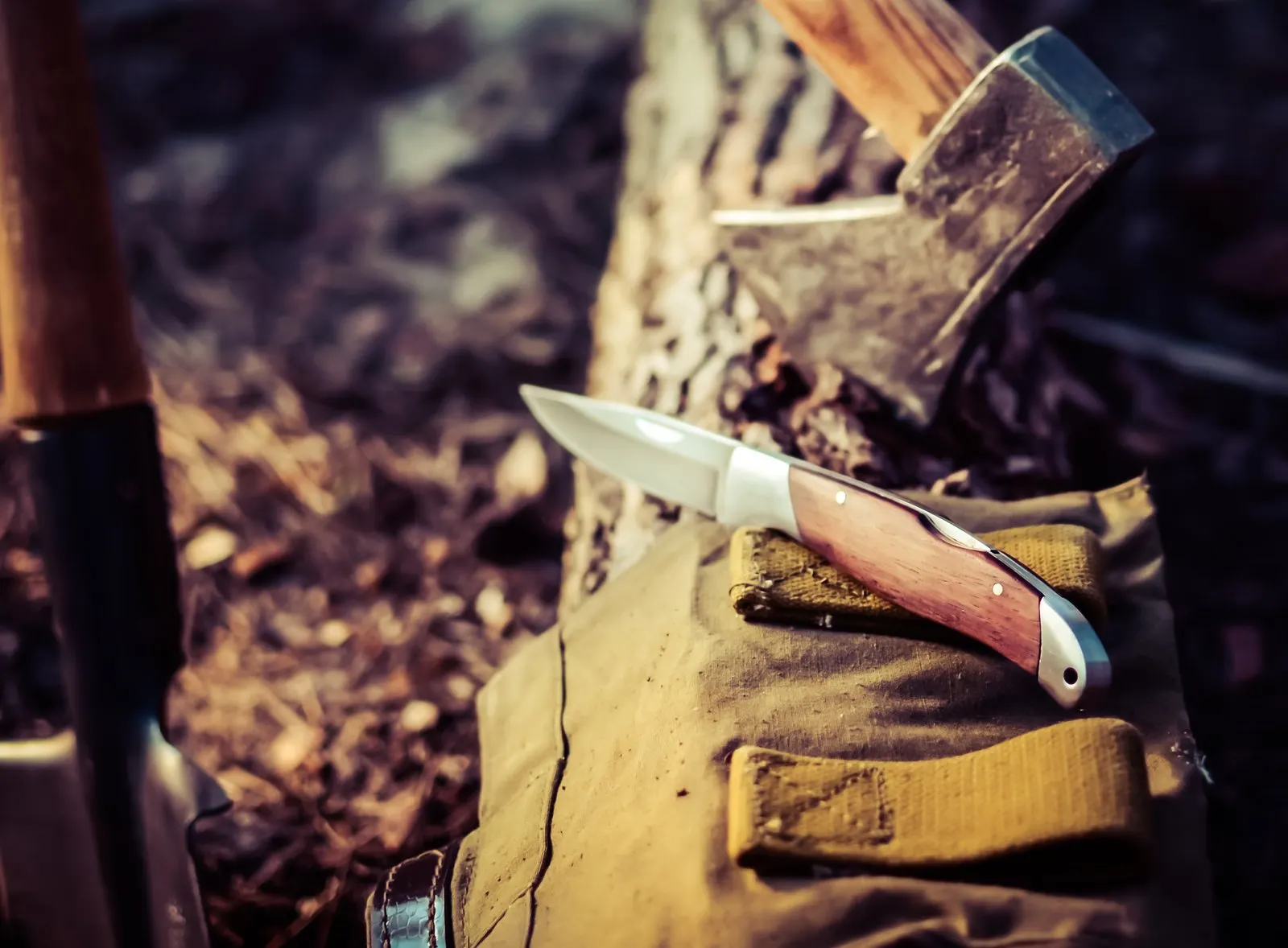
Camping hatchet and knife resting on a tan pack outdoors
Photo: SRS_LIFE / Envato

Gerber Bushcraft Hatchet — Grey, 31-003782

What is it?

A compact hatchet. Gerber describes a forged head with an overstrike guard, a rubber grip and a storage compartment in the handle.

Who is it for?

Someone who wants a small camp wood tool with a place in the handle for a fire-starter or cord, and who will check the size with Gerber first.

How is it used?

Use it only for the wood tasks in Gerber's instructions, check the head and the cover before each use, and get instruction if you have never swung a hatchet.

Main limitation

Gerber's page lists conflicting dimensions and an implausible weight, so this guide leaves those figures out. Confirm them with Gerber before you buy.

Manufacturer information, not a hands-on test.

Check the sources ↓

Five hatchets, five builds.

Compare construction, size and carry. The numbers identify the tools; they are not scores. Watch the measurements, because handle length, overall length and cutting-edge length are three different things.

  1. 01

    Gerber Bushcraft Hatchet — Grey, 31-003782

    Gerber lists a forged head and overstrike guard, a rubber overmold grip and a storage compartment with paracord.

    Before you choose: Ask Gerber to confirm the dimensions and weight before buying.

    Manufacturer details ↗
  2. 02

    Fiskars Ultra Universal Hatchet U14

    The U14 has a FiberComp shaft, SoftGrip grip and a protective sheath. Fiskars describes it for kindling and outdoor wood preparation.

    Before you choose: The linked page is the whole Ultra collection. Match U14 exactly; the larger U32 on the same page is a different tool.

    Manufacturer details ↗
  3. 03

    Estwing Sportsman’s Axe E14A — Leather

    One-piece steel construction, leather grip and nylon sheath. Estwing lists the E14A at 12.5 inches overall with a 2.75-inch cutting edge.

    Before you choose: Check E14A on the listing. The longer E24A sits on the same manufacturer page and is easy to click by mistake.

    Manufacturer details ↗
  4. 04

    Hults Bruk Hultån Hatchet

    Steel head and hickory handle. Hults Bruk lists a 15-inch handle, a 1.1 lb head and 1.8 lb total weight.

    Before you choose: The 15-inch figure is the handle, not the whole tool. Follow Hults Bruk's own care instructions for the hickory handle.

    Manufacturer details ↗
  5. 05

    Gränsfors Bruk Wildlife Hatchet — 415

    Hickory handle and leather sheath. Gränsfors lists a 35 cm length and 0.6 kg weight, with camping and small-wood tasks as intended uses.

    Before you choose: Check what the package includes and read the care guide. Compact does not make it a splitting axe.

    Manufacturer details ↗

Does this trip need a hatchet at all?

  1. 01

    A real wood job.

    Kindling for a camp stove or a fire ring where fires are allowed. If fires are banned where you are going, the hatchet stays home.

  2. 02

    A size you will carry.

    Compare the whole package with its cover. Published size labels do not all measure the same thing.

  3. 03

    Condition and instructions.

    Read the maker's directions, check the head and handle before use, and plan how you will keep it dry and sharp.

Decide whether the trip needs one.

It is 6 a.m. at camp, the kindling is damp, and someone small is already asking what is for breakfast. The stove needs dry wood from the middle of a log. That is the job a camping hatchet is for: kindling and small camp wood.

If your trips never include that morning, or fires are banned where you go, the hatchet stays home. Your shoulders will not miss it.

This page covers camp wood tools only. Not tomahawks, not throwing, not combat. If an older pin brought you here for those, this is a different guide.

Compare the same measurement, not the same number.

The five makers do not measure alike, which is how sensible people end up comparing a handle to a whole axe. Estwing’s 12.5 inches is the overall length of the E14A. Hults Bruk’s 15 inches is the handle of the Hultån. A cutting-edge length is a third thing again. Put those three in one column and the comparison lies to you, politely.

For the Gerber Bushcraft Hatchet, Gerber’s own page lists conflicting dimensions and an implausible weight, so this guide leaves those figures out. Ask Gerber before you choose it on size.

Each build asks something different of you.

The list has a one-piece steel tool, a composite shaft and two hickory handles. That describes how each is built. It does not tell you which will feel better in your hand or last longer on your trips.

It does point you to care. Gränsfors asks owners to dry the head and the sheath before storage and to look after the steel, wood and leather. The other models use different materials, including hickory, FiberComp, steel and leather, so follow each maker’s instructions for the exact model. Choose the one whose care you will really do, not the one whose care you plan to do.

Small is not the same as universal.

Gränsfors lists camping and small-wood tasks for the Wildlife Hatchet. Check each model’s intended uses before you hand it a splitting job.

The back of the head is a hammer only when the maker’s instructions say so for that model. A feature name like “Hammerhead” is a name, not permission. The tent pegs do not get a vote in the maker’s instructions.

Place it in the rest of the kit.

Water, light and personal supplies come first on the gear checklist. For cutting smaller than wood, see the camping knife guide. Before the hatchet claims a place in the pack, use the backpack checklist to see what else needs that space.

Read the exact model’s details and instructions before you choose. Then go and make that kindling, before anyone asks about breakfast again.
Give a covered edge a place in the pack.

Check the cover and the carrying instructions for your exact model, then plan where the tool fits in the rest of your load.

Use the backpack checklist ↗
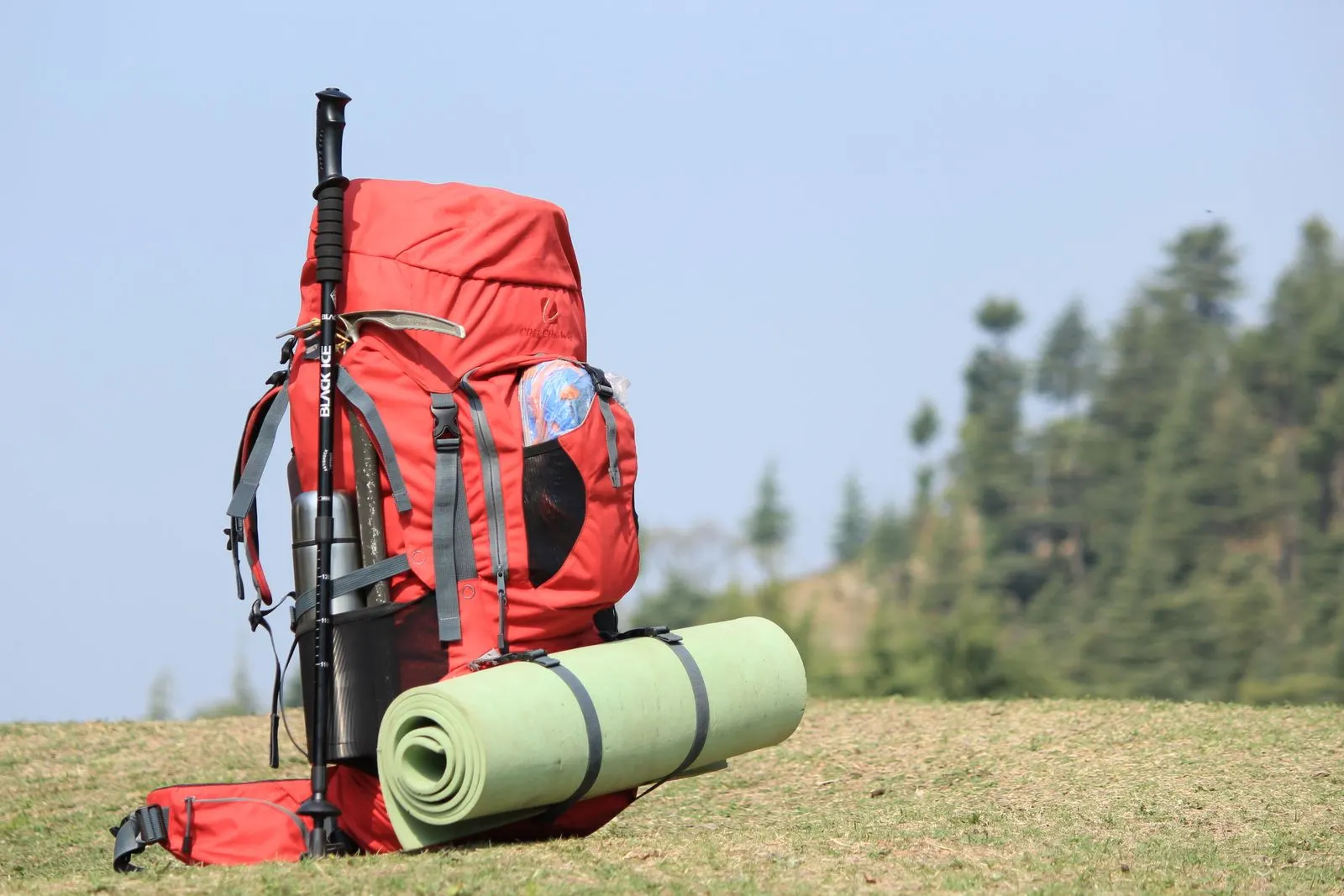
Red hiking backpack with a rolled sleeping mat and trekking pole on grass
Photo: Ravindra rawat / Pexels

Questions before you choose.

Are these tactical tomahawks?

No. These are camp hatchets for kindling and small wood. Throwing, combat and self-defense tools are a different subject and not on this page.

Can I use the back of the head as a hammer?

Only if the maker's instructions say so for that exact model. A marketing name for the back of the head is not a procedure, so check before you hit anything with it.

Which one is right for a first hatchet?

The one that fits the wood you will actually cut and the care you will actually do. Compare the construction, then read the exact model's maintenance instructions. Start from the job.

Where the information comes from.

Sources checked . Every product fact on this page comes from the documents below. We have not handled or tested these products ourselves.

  1. Gerber Bushcraft Hatchet — Grey, 31-003782 ↗

    Manufacturer page; dimensions conflict between Features and Specifications, so length and weight are omitted.

  2. Fiskars Ultra Universal Hatchet U14 ↗

    Manufacturer construction and model details.

  3. Estwing Sportsman’s Axe E14A — Leather ↗

    Manufacturer construction and model details.

  4. Hults Bruk Hultån Hatchet ↗

    Manufacturer construction and model details.

  5. Gränsfors Bruk Wildlife Hatchet — 415 ↗

    Manufacturer construction and model details.

  6. Gränsfors Bruk — Axe and Leather Care ↗

    Care guidance for Gränsfors axes and sheaths. Follow each other brand's own directions.

Photos are credited beside each image.

Privacy choices