Who gets the last 15 percent.
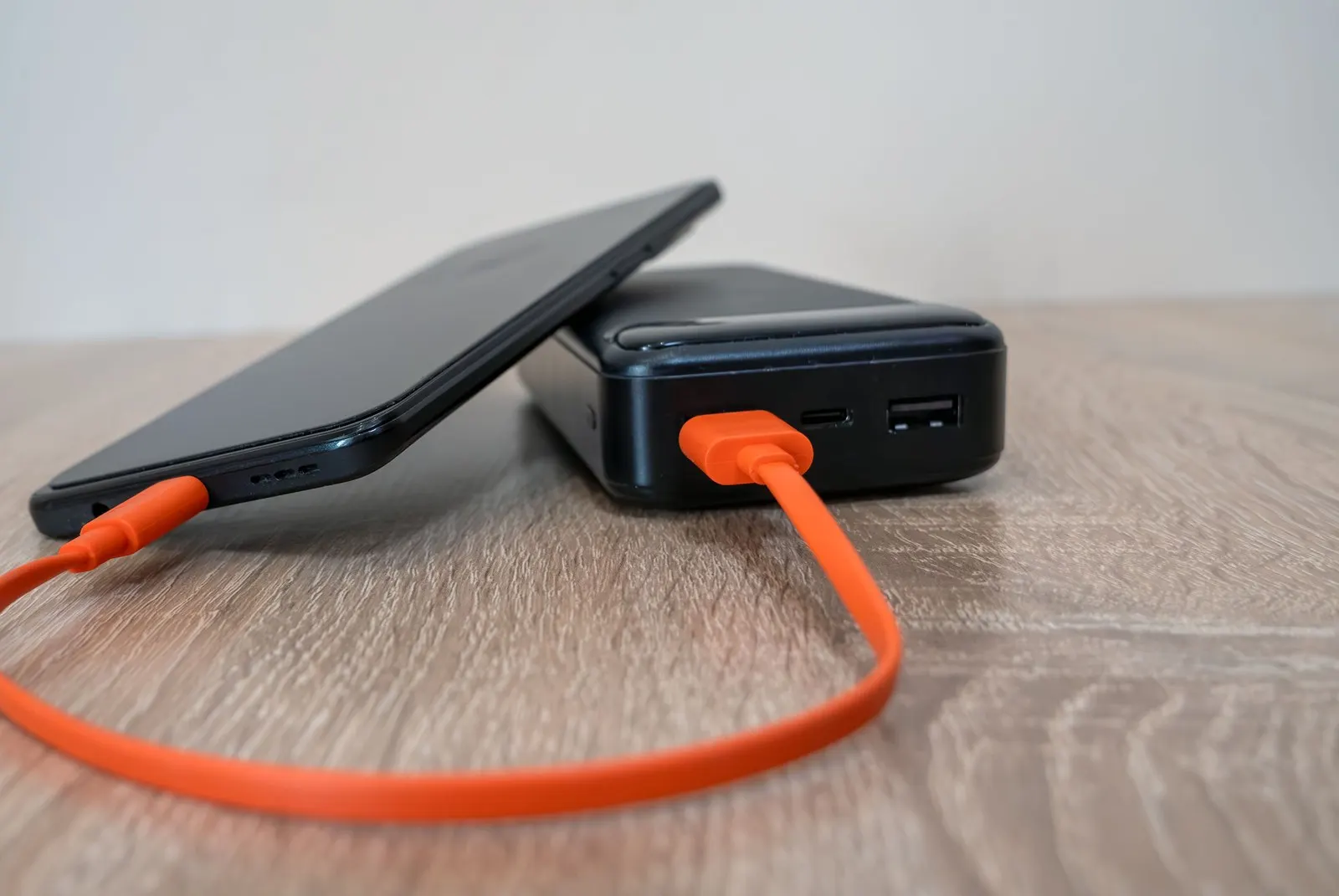
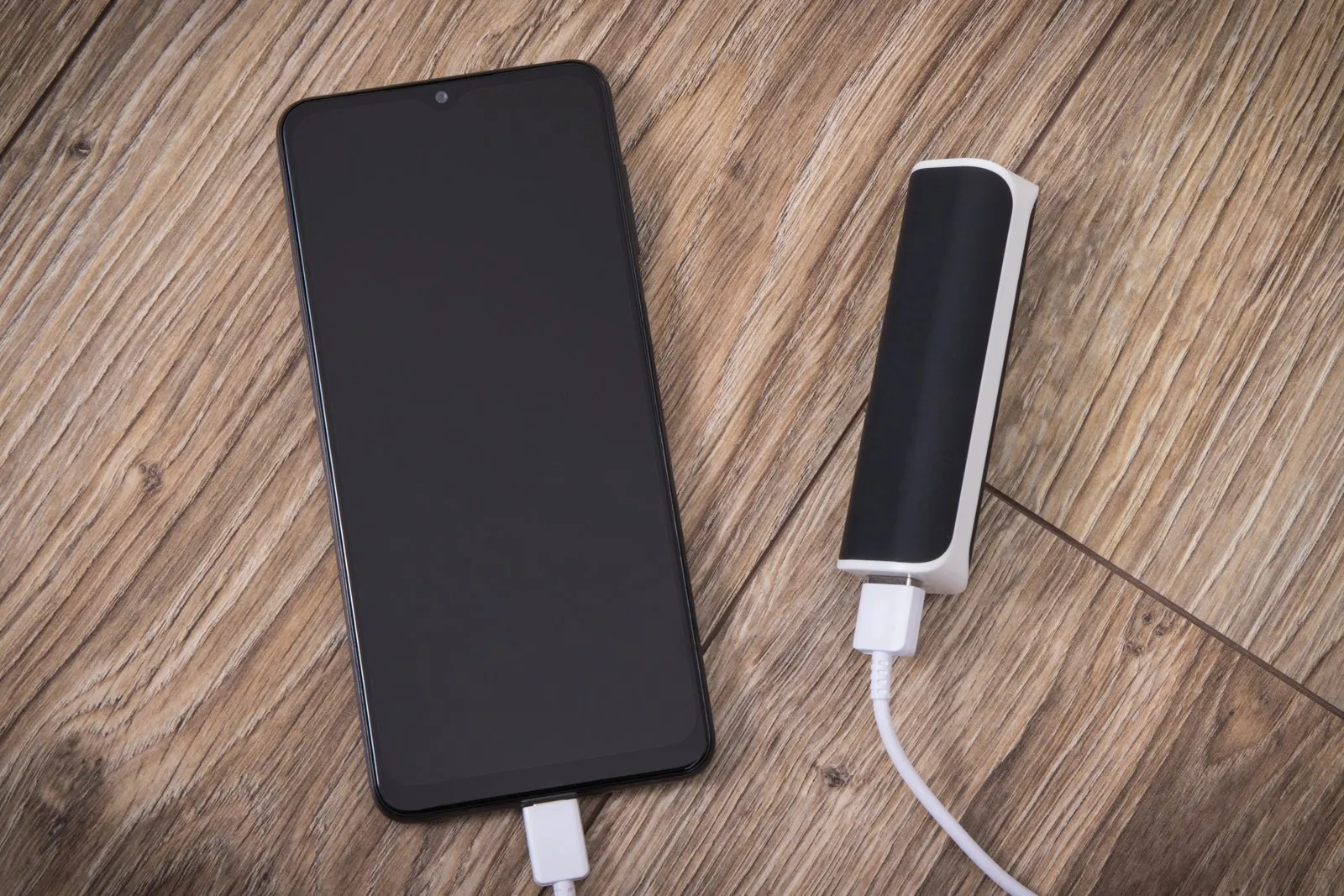
By the second evening of an outage the phones are at 15 percent, the rechargeable lantern is blinking, and somebody at the table has started negotiating. An emergency power bank settles that argument ahead of time, so write the list before you compare models: the phone for messages, the light, maybe a laptop for one job.
When the bank runs low, the order is the plan, and nobody has to negotiate in the dark.
Capacity and output are two different numbers.
Anker’s capacity explainer separates stored energy in watt-hours from the mAh figure on the box. Voltage matters, and energy is lost in conversion and charging, so dividing the bank’s mAh by your phone’s mAh does not reliably predict full charges.
The output wattage tells you how wide the tap can open; watt-hours tell you how much is in the barrel.
Two Ankers, two output classes.
The A1383 is the lower-output bank: 20,000mAh, a built-in USB-C cable, up to 65W from a USB-C connection and 87W combined under Anker’s stated arrangement. The Prime A110B is the higher-output one: 20,100mAh, up to 140W from a compatible USB-C connection and 220W combined, at a listed 510g.
The listed mAh figures are close; the output limits differ. Consider the A110B if its per-port limits or combined output meet a charging need the A1383 does not; it is not the older A1336. Check the exact combination before you promise everyone a socket. For its maximum 100W USB-C input, Anker specifies a charger of at least 100W and a 5A cable, and the charging base is sold separately.
What reviewers and owners report.
TechRadar’s test of the A1383 points to at least three phone charges (review). One owner got a bit over two full charges of a 5,000 mAh phone (owner post), and another says the built-in cable went bad after a year (owner post). For the Prime A110B, Popular Science puts it plainly: if you only need to charge a phone, it is unnecessary weight and money (review).
The cable drawer.
Every house has a drawer of charging cables, and somehow none of them fits anything you own today. Check which compatible chargers and cables you actually have, and hold the bank’s input requirements against them.
For the rechargeable flashlight, check its own charging requirements; the headlamp in our guide runs on three AAA batteries, as Black Diamond lists for the Spot 400, so it may not need the bank at all.
Store it like equipment, not like a spare.
Anker’s safety guide asks for a cool, dry, ventilated place for charging and warns against hot parked cars, moisture and covered vents.
Before an older bank goes into the kit, check Anker’s recall notices against the model and serial criteria. Then add the bank and its cable to the packing check and write down the next top-up date. The family has already negotiated over the last 15 percent once.