Practical gear. Everyday preparedness.Know the purpose. Understand the limits.
APOCALYPSESURVIVALIST

Field notes / Packs & preparedness

Choose the pack around what you carry.

Five checks before choosing a bug-out bag backpack. Start with fit, your actual load and access — not a universal liter count.

Apocalypse Survivalist · Sources reviewed

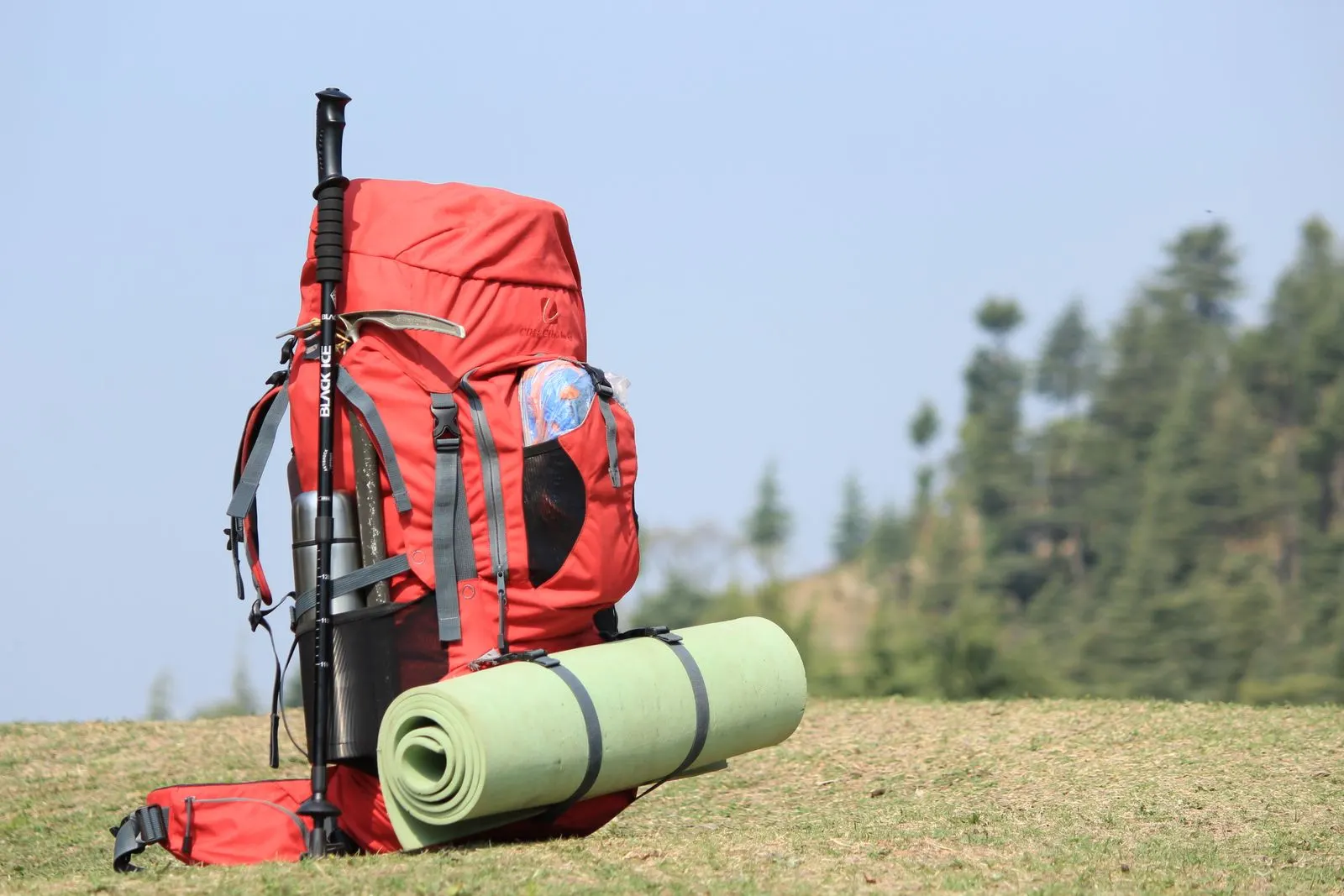
Red hiking backpack with a rolled sleeping mat and trekking pole on grass
Pack layout example, not a recommended model. Photo: Ravindra rawat / Pexels.

The pack check / 01–05

Fit the pack.
Then fill it.

Five checks before you choose a backpack.

  1. FitStart with you

    Torso length, hip fit and the exact model’s sizing chart.

  2. LoadPack for the job

    Try the equipment you actually intend to carry.

  3. CapacityLook beyond liters

    Check the usable layout, not just the headline volume.

  4. AccessKnow what is where

    Practice reaching the items you expect to use.

  5. LimitsRead the small print

    Check adjustment, construction and weather protection.

APOCALYPSE SURVIVALIST · CHECKLIST V1
Editorial adaptation of REI selection and fitting guidance. Details and sources below.

A useful pack starts with a specific job.

Before comparing packs, write down where you expect to carry yours and the equipment you intend to put in it. A bag used mainly for storage has a different job from one you plan to carry on foot. Treat those differences as questions to resolve, not reasons to buy the biggest pack.

This checklist adapts REI’s backpack selection and fitting guidance to the questions people ask about a bug-out bag. It is not a tested pack recommendation or a complete emergency plan.

1. Fit: check the person and the model.

REI’s fitting guidance starts with torso length and hip fit. Check the manufacturer’s instructions and size chart for the specific pack. A label such as medium or large is not a substitute for that check.

2. Load: try what you intend to carry.

Build your intended kit before choosing solely by capacity. Try the pack loaded, adjust it according to the manufacturer’s instructions and walk with it. Notice pressure points and whether the load shifts. A brief fitting is useful information, not a guarantee of comfort on every trip.

This guide does not give a universal safe carrying weight. The pack’s stated limits and your own circumstances need separate consideration.

3. Capacity: use liters as one piece of information.

A declared volume helps you compare space. It does not tell you how your particular equipment will fit, how the weight will carry or whether you can reach something quickly. Compare the actual layout with your kit.

4. Access: practice reaching the essentials.

Check which items require you to unpack the main compartment. Organize the kit for the way you will use it, while following the equipment’s storage instructions. For example, the headlamp guide covers the manufacturer’s battery and storage guidance for one lighting candidate.

5. Limits: read the exact model’s documentation.

Check the frame, adjustment range, capacity and stated weather protection. Do not assume that an outdoor appearance means waterproof construction. Use the model’s documentation to identify what remains unverified.

A few useful answers

Questions before you choose.

Is there one correct capacity for a bug-out bag?

This guide does not prescribe one. Capacity depends on your intended equipment and use. A liter figure alone does not establish fit, comfort or suitability.

Can I choose the size from my height?

Use the pack manufacturer's sizing method and model chart. REI's fitting guidance emphasizes torso length and hip fit, rather than simply overall height.

Does this checklist tell me what emergency supplies to pack?

No. It is a pack-selection checklist. It does not set medical requirements, safe carrying weights, water quantities or a complete emergency plan.

Evidence & limitations

Where the information comes from.

Sources reviewed . Product specifications and public guidance are identified below; they are not our own performance testing.

  1. REI — How to Choose a Backpack ↗

    Retailer guidance on capacity, features and fit. Its trip examples are context, not a universal emergency-pack size.

  2. REI — How to Size and Fit a Backpack ↗

    Retailer fitting guidance on torso length, hip fit, adjustment and trying a loaded pack.

Layout and checklist: Apocalypse Survivalist. Contextual photography is credited beside each image and used under the Pexels license. It does not document our own testing or imply endorsement by the photographer or people shown.