Start with ordinary needs.
The school closes on a Tuesday, the pharmacy has a line out the door, and the neighbor who usually drives Grandma to her appointments is sick. Pandemic preparedness is mostly the ordinary planning that makes a week like that workable. CDC’s Prepare Your Health guidance asks households to sort out personal needs, prescriptions, paperwork, power and practical skills before the disruption.
Make a short inventory of what each person depends on, and name who could cover groceries, transport or a daily task if the usual arrangement fails. Include caregiving, accessibility and the pets; the dog’s dinner is part of the plan too. This is household planning, not a rule that everyone follows the same medical precautions.
Check the authority behind an update.
Keep your state or local health department’s website and the CDC page for the disease with your contact list. For every update ask who issued it, when, and which disease and people it covers.
A screenshot forwarded in the family group chat, an advertisement or a story is not a public health notice; open the original. If an instruction conflicts with your care needs, ask the health authority or your clinician.
Plan for your usual care.
CDC’s prescription planning guidance recommends talking to a doctor or pharmacist about an emergency supply and keeping a list of medicines, medical supplies and allergies.
Prepare that privately. Do not change a dose, start a medicine or borrow a prescription because a preparedness page suggests a remedy, and do not send medical details to this site.
For respiratory illnesses, use the respiratory guidance.
For flu, COVID-19 and RSV, CDC’s prevention overview lists recommended immunizations, hygiene, cleaner air and staying home and away from others when sick. Which immunizations apply to you is a conversation with your healthcare provider.
CDC also describes masks, distance and tests as additional layers in the right circumstances, and says people with risk factors for severe respiratory illness should seek healthcare promptly when sick. Read the full respiratory-illness guidance. These points are about respiratory illnesses. A foodborne, waterborne or other outbreak gets its own guidance.
Think through the room and the routine.
CDC’s cleaner air guidance describes ventilation, air cleaning and time outdoors as ways to reduce respiratory virus exposure. Decide which are practical and safe where you live. An open window, a filter or a mask is not a guarantee against infection.
The current precautions when sick page explains staying home and returning to activities for respiratory illnesses.
Keep the equipment in proportion.
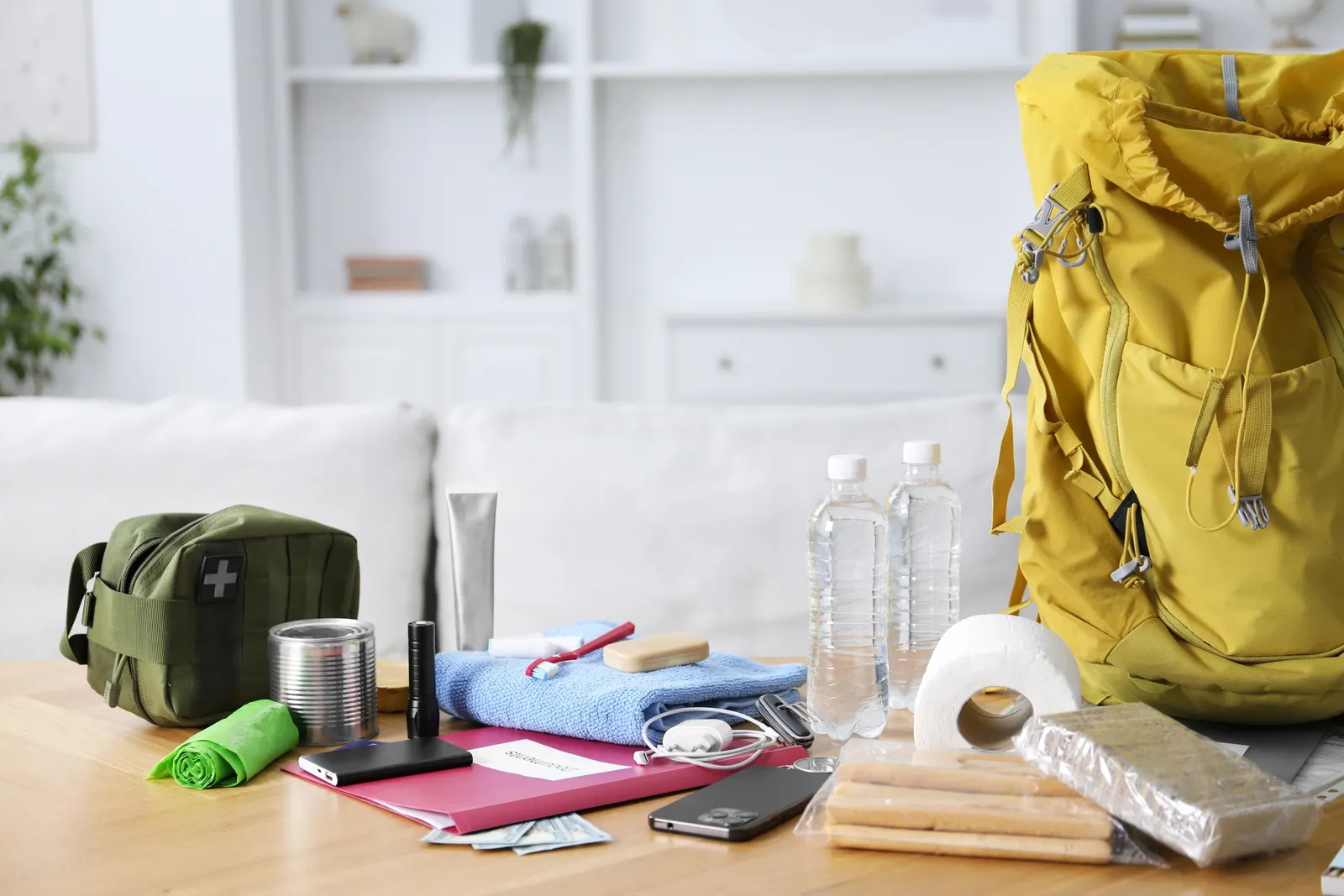
The household plan, the gear checklist and the water storage guide cover the wider planning.
The useful result here is a clear source of information, help arranged for the people who need it, and usual care that keeps going. Keep the household help plan with the contact numbers, where the people who need it can find it. If someone needs medical attention, get it.